Physical Address
304 North Cardinal St.
Dorchester Center, MA 02124
Physical Address
304 North Cardinal St.
Dorchester Center, MA 02124

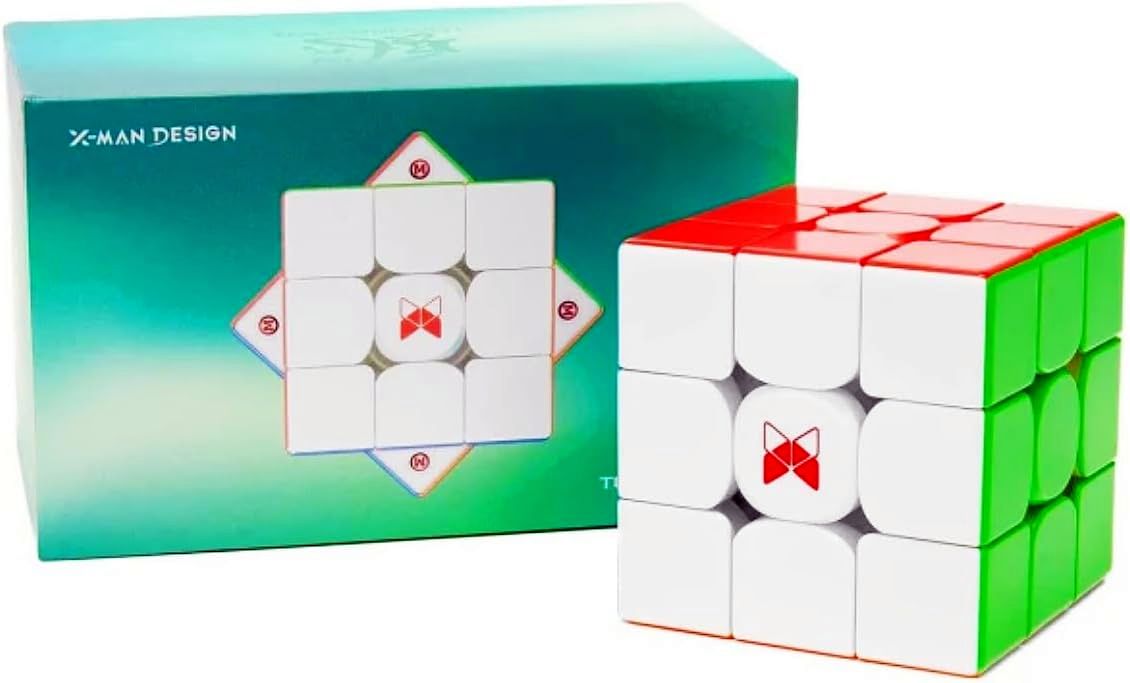
Heath’s October 2025 experience with the Tornado V4 Pioneer, compared with his GAN 356 M, including the purchase price and setup he used at the time.
My first speedcube was a GAN 356 M, and I liked it immediately. It turned much more easily than the older cubes I had used, the magnets helped the layers settle into alignment, and corner cutting made it more forgiving while I was learning.
The main reason I started looking for something else was the sound. My particular GAN had a sharp, clicky character that bothered my wife when I practiced nearby. I wanted a cube that felt good in my hands and was quieter to use.
That search led me to the UV-coated X-Man Tornado V4 Pioneer. This is my experience with the cube and the setup I described in my original October 2025 review.
I was looking for a balance of quietness, adjustability, quality, and price. I paid about $38–$39 for my cube at the time.
I wasn’t trying to find the cube with the lightest possible turning. I wanted something controlled and comfortable that I could tune to suit how I solve.
The Tornado felt more muted than my GAN. Its softer sound was a substantial improvement for practicing in a room with somebody else.
I also liked the way the colors looked to me, particularly in lower light. I had sometimes struggled to distinguish white and yellow quickly on my GAN; I found that easier on this cube.
The UV finish took a little getting used to. I wasn’t sure I liked the shiny surface at first, but it grew on me.
Out of the box, the Tornado felt stable and precise. I liked that control, although it didn’t have the effortless, very fast feel of a friend’s inexpensive GAN MagLev.
That comparison helped me work out what I wanted from the adjustment settings: a little more freedom of movement while keeping the control that made the Tornado comfortable to use.
I left the magnet settings alone because I liked their strength. I spent more time experimenting with the feel of the cube and the amount of lubricant.
I found it easy to use more lubricant than I actually wanted. After trying several combinations, I preferred cleaning the cube and using a small amount of medium-weight lubricant on the tracks. I had also tried Silk, but at the time of my original review I preferred the simpler setup.
The settings I recorded then were 3 on the center dial and 2, marked green, on the outer diamond-pattern ring.
That combination gave me a balance I liked. The cube felt stable without feeling too restrictive, and I could turn quickly without the same loose feeling I noticed in some other cubes.
Those settings describe my preference at that time. Turning style and lubricant both affect how a setup feels, so they are a starting point for comparison rather than settings everyone needs to copy.
The quieter sound was the biggest benefit for me. I also appreciated the controlled turning, the color visibility, and the ability to adjust the feel.
The main drawback was that it took some experimentation to get the speed and freedom of movement I wanted. If I could change one thing about that first impression, I would have liked it to feel a little more effortless straight out of the box.
Once I found a setup I enjoyed, the Tornado gave me what I had been looking for: a cube I liked practicing with, and one that was less distracting to the people around me.
That is why I liked the V4 Pioneer. My preference came down to how it sounded, how confidently I could control it, and how well it suited the way I solve.