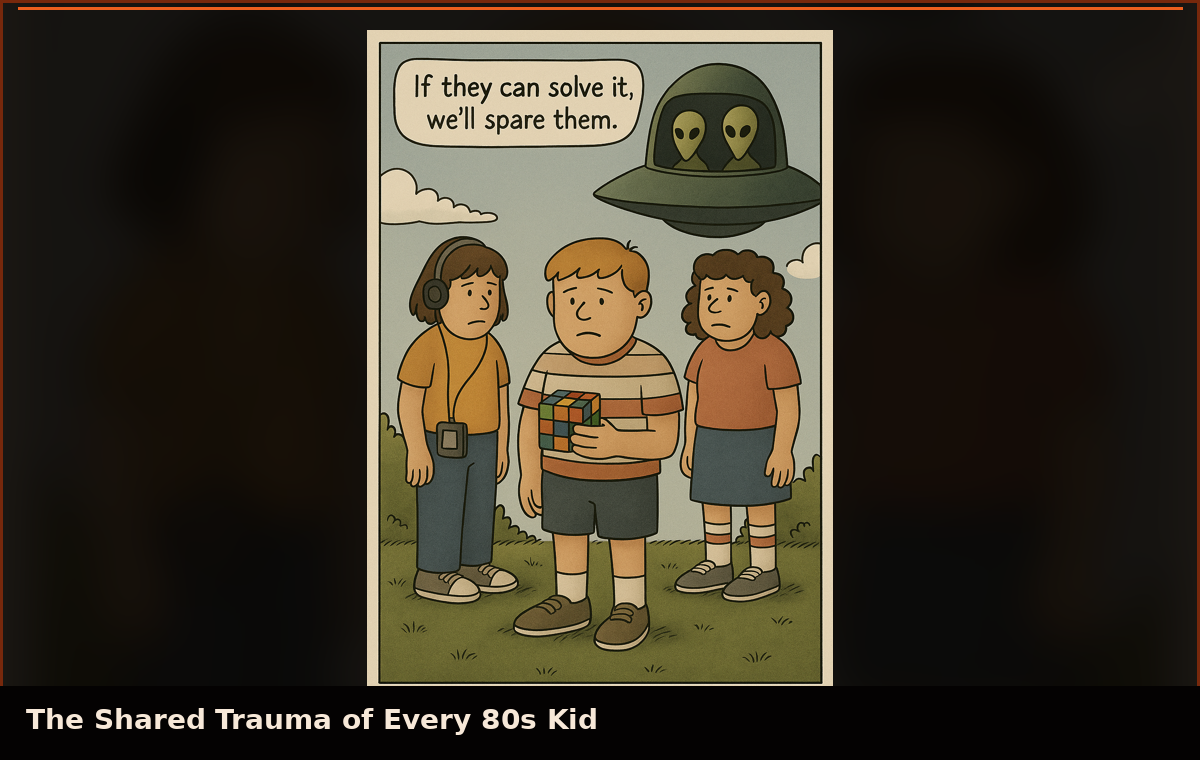
 The Rubik’s Cube: The Shared Trauma of Every 80s Kid
Featured Article
For those of us who grew up in the early 1980s, the Rubik’s Cube arrived as equal parts toy, puzzle and public test of intelligence. It sat on desks, in backpacks and on coffee tables, daring everyone who picked it up to prove they were smarter than six colors and twenty-six little pieces. Long before YouTube tutorials, magnetic cubes and speedsolving culture, most of us had absolutely no idea what we were doing — and almost everybody knew somebody who simply peeled off the stickers.
Read More »
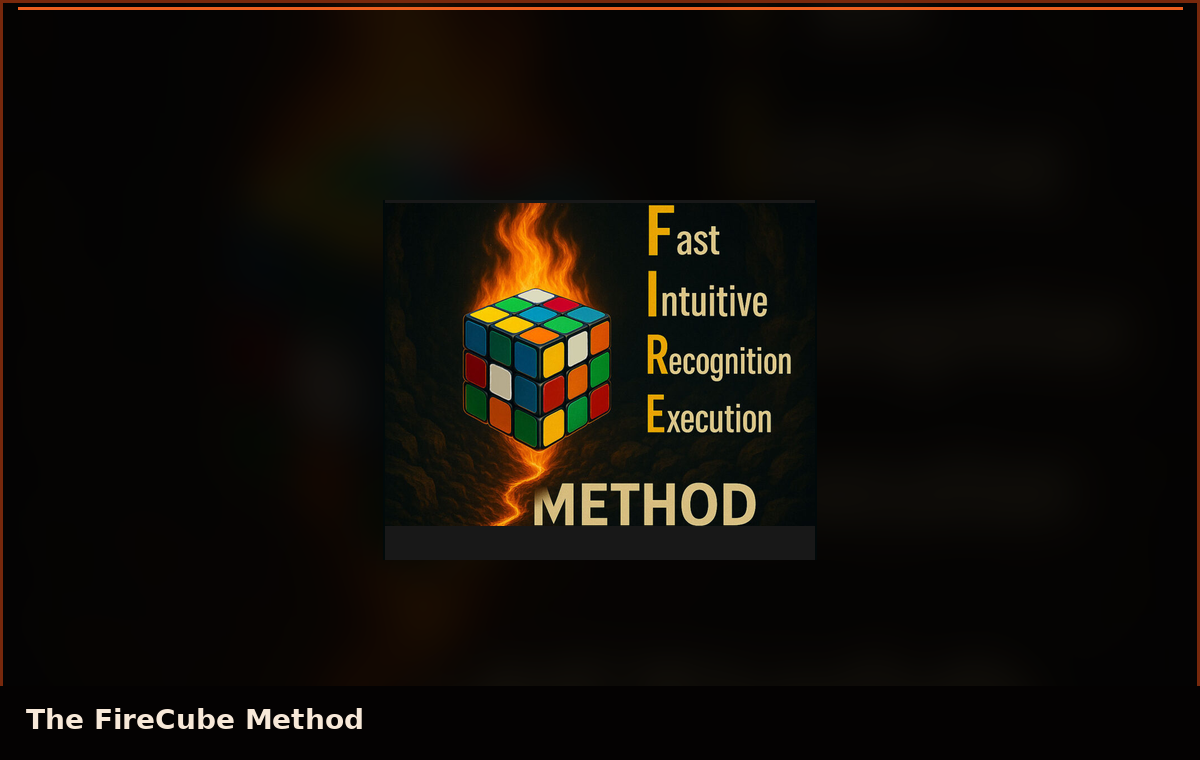 The FireCube Method: A Minimalist CFOP-Progressive System
Newest Article
The FireCube Method is intended to get a new solver moving quickly without locking them into a beginner method they eventually have to throw away. The basic vocabulary stays small, recognition is emphasized early, and each stage leaves a clear path toward more advanced CFOP techniques. That means a solver can improve one piece at a time instead of relearning the entire solve whenever their skill level changes.
Read More »
 Why FIRE? History of the FIRE Method
History
FIRE stands for Fast, Intuitive, Recognition and Execution, but the name also reflects the larger design goal: make the solve feel active and understandable instead of like a list of magic tricks. This article traces how the method evolved, why certain beginner steps were kept, which ones were replaced, and how the system became a bridge between first solves and faster CFOP-style solving.
Read More »
 PLAY FIRESTORM
 FireCube Method on Video
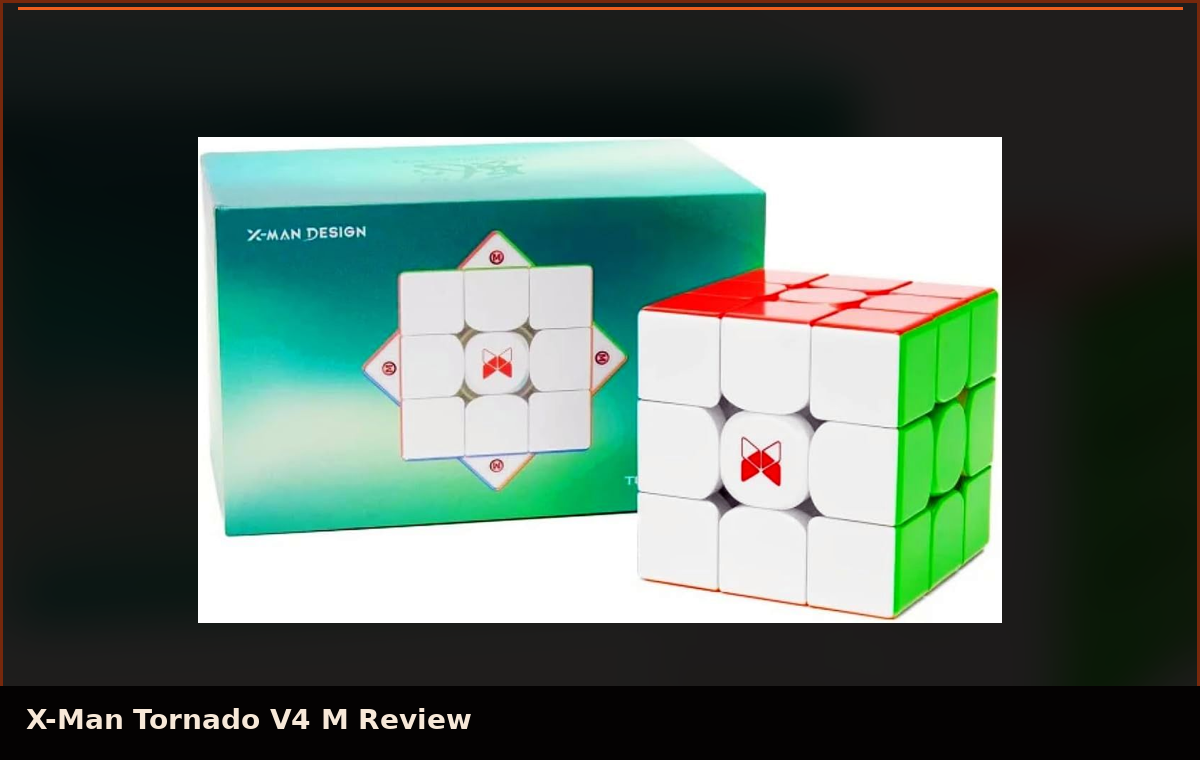 X-Man Tornado V4 M Review
 Newest cube review automatically appears here